

Why Detector

Working together to achieve better results
The best solutions are created in co-operation. We have taken this into consideration by creating an extensive co-operation network in order to provide the best possible customer experience.

Building an environment for the future
We are at the forefront of development in producing optimal solutions now and in the future. We take the environment into consideration in every aspect of our operations.

Finnish high-quality craftmanship
All Detector products are manufactured in Finland and bear the Key Flag Symbol. User-orientation and quality are central to our product development.
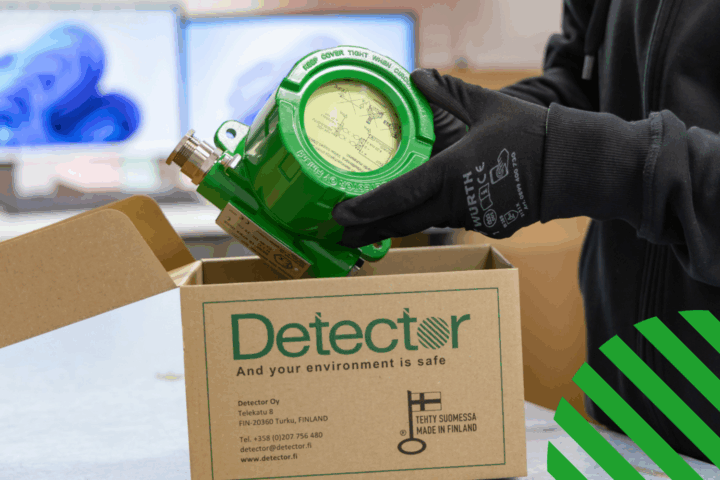
Detector’s gas detection solutions are also available through our partner network.
We are actively seeking resellers in Finland and abroad. Join us in delivering safety to your customers with high-quality Finnish products.
Versatile solutions for hydrogen monitoring
Hydrogen is an odourless and colourless gas. It is extremely important to monitor Hydrogen closely. Explore what we have to offer.
Detector and Bravida Expand Service Cooperation to Vaasa and Pietarsaari
Read our latest news and articles in our blog
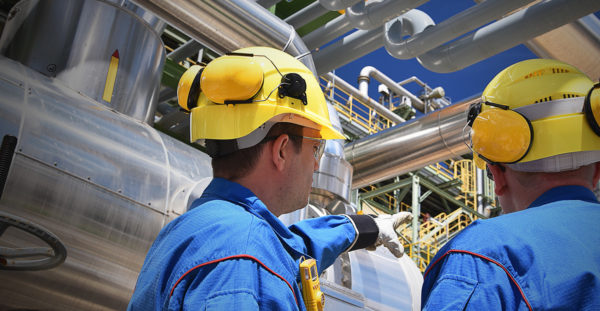

Gas detection – what, why and how?
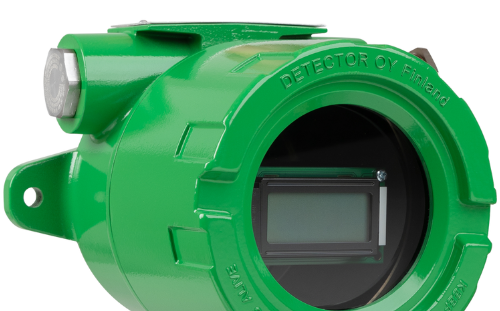

Gas Detector KEX