
A gas detector on the wall alone does not guarantee safety. An alarm is just a moment, but there is a great deal of preparation behind it. When an alarm sounds, what truly matters is not only that the system works, but how people respond. Do they understand what the alarm means and know how to act when the situation comes unexpectedly?
Real safety is built on anticipation, understanding, and training. It is not only about devices, but also about procedures and ensuring that people are confident in their roles. Gas safety cannot be managed afterwards; it must be built into everyday operations in advance.
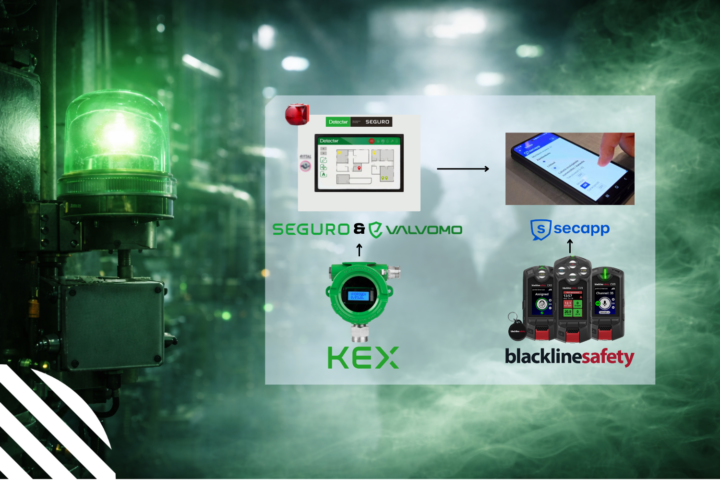
Know your gas detection system
The operation of a gas detection system must be clear to its users. Employees need to know what the system monitors, where it triggers alarms, and what the different alarm levels mean in practice. Whether it is a preventive warning or a situation requiring immediate action.
A gas detection system is a critical part of overall safety, and its operating principles must be understood by everyone responsible for its use. Maintaining competence is equally important when personnel change or responsibilities shift. The system must not rely solely on a few specialists.
Risks and their management
Not all gases behave the same way, nor do they pose the same risks. Monitoring may involve explosive, toxic, or oxygen-displacing gases, each requiring specific attention.
Gas safety begins with risk identification. When you know which gases are present and what hazards they pose, the monitoring system can be designed to support safe operations before an emergency situation occurs.
Gas alarm: act correctly when the unexpected happens
During an alarm situation, it is crucial that everyone knows what to do. Is it a warning level or an acute danger? Which device triggered the alarm and which gas is being measured? In such situations, clarity, training, and clear instructions are essential.
We help our customers develop clear response procedures, train personnel to recognize situations, and organize practical emergency drills when needed. An alarm is not just a technical signal, but part of a broader safety process where technology and people work together.
The role of people and training
The function of a gas detection system does not end with installation. Its reliability depends on regular maintenance, testing, and documentation. Without continuous upkeep, the system may not function as intended when it is needed most. At the same time, it is important to ensure that expertise is retained within the organization over the years and through personnel changes. Safety must not depend on individual employees, but be an integrated and managed part of everyday operations for the entire organization.